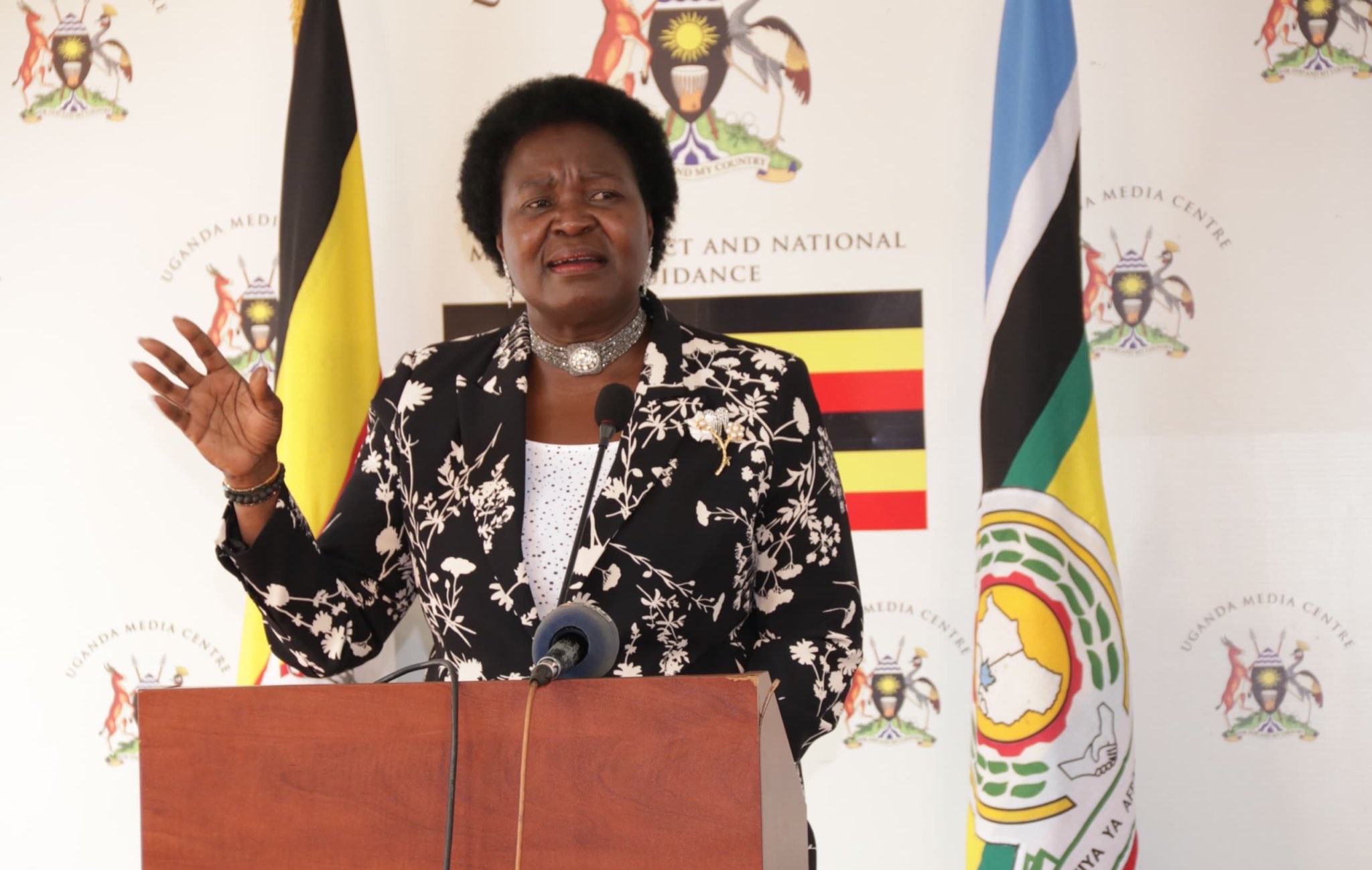
The Ministry of Energy and Mineral Development, together with the Uganda National Oil Company Limited (UNOC) has assured Ugandans of an uninterrupted supply of bulk petroleum products amidst the ongoing Middle East conflict to meet the country’s fuel demands.
In a joint statement released on Monday, both institutions noted that as of March 27th, Uganda’s fuel stock levels and the inland supply chain remained stable and sufficient to meet the country’s short-term national demand.
“The available stocks for distribution to Uganda were about; 81 million litres of Petrol, 80 million litres of Diesel; and about 18.5 million litres of Jet A-1” the statement read.
According to the authorities, these volumes will approximately cater for 22 days of stock cover for Petrol, 23 days of stock cover for Diesel, and 30 days of stock cover for Jet A-1, meaning that the available stocks will take Uganda into the end of April 2026.
Additionally, the Ministry through UNOC is scheduled to receive confirmed vessel deliveries from the end of March 2026 into April 2026 mainly to the Mombasa port with quantities of petroleum products destined to Uganda indicating a favourable supply chain.
“These are to be complemented with supplies through Tanzania where there are multiple available ports of Tanga, Dar-es-Salaam and Mtwara to enhance security of supply” the statement reads.
The ministry noted that the expected additional quantities that should be accessed from beginning of April 2026 add up to about 195 million litres of Petrol, 155 million litres of Diesel, and 24 million litres of Jet A-1; translating to additional days of stock cover of 52 days for Petrol, 44 days for Diesel, and 39 days for Jet A-1.
“We therefore wish to reassure the key business partners including the transportation sector, aviation industry, the business community, and general public that Uganda’s fuel supply remains secure, stable, and continuous despite the ongoing Middle East conflict” the authorities noted.
The ministry noted that the guaranteed supply is facilitated by the strong presence of UNOC’s supply partner in alternative supply sources in the world, away from the currently troubled Middle East.
“While the supply remains stable, the Ministry working together with UNOC will continue to monitor the impact of other parameters, including forex exchange and international prices, on the resulting pump price”.
The continued Middle East Conflict between joint US/Israel forces against Iran has affected the passage of shipments through the Strait of Hormuz, which is used to transit about 20% of the global oil consumption including supplies from the Middle East.