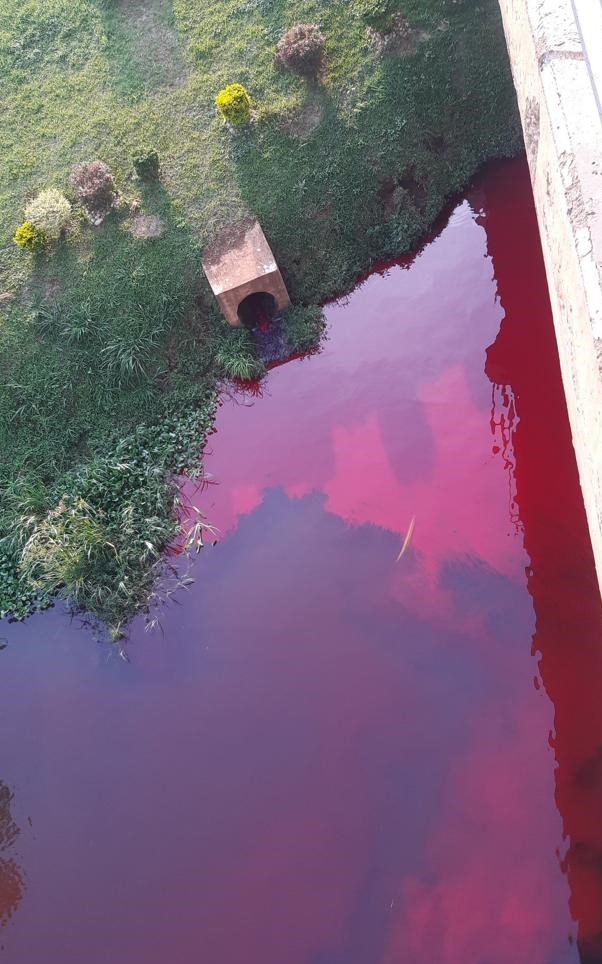
The Chief Magistrate of the Standards, Utilities and Wildlife Court, Her Worship Gladys Kamasanyu, has convicted and fined Southern Range Nyanza Limited (NYTIL) UGX 180 million, after the company pleaded guilty to illegally discharging industrial effluent onto neighbouring land and into a section of the River Nile.
According to court records, NYTIL was charged with unlawfully discharging pollutants into the environment in violation of Uganda’s environmental laws and standards under Criminal Case No. SUW 118/2026.
Prosecution alleged that between April 2024 and November 2025, the company discharged industrial effluent from its facility in Buikwe District onto neighbouring land and into a section of the River Nile without meeting the prescribed environmental standards.
Upon conviction on Tuesday, Her Worship Kamasanyu imposed a fine of UGX 180 million and ordered the company to restore the affected land and the polluted section of the River Nile within 30 days.
The court further directed National Environment Management Authority (NEMA) to monitor the restoration process and file a compliance report.
The Head Corporate Communications at NEMA Ms Naomi Karekaho, said during the process and acting on its mandate to enforce environmental laws, NEMA inspectors conducted investigations, gathered evidence of the unlawful discharge into neighbouring land and the River Nile, and instituted and prosecuted the case before court.
Karekaho further noted that NEMA welcomed the ruling, which underscores the importance of compliance with environmental laws and the principle that polluters must take responsibility for restoring degraded ecosystems
“The River Nile is a vital national resource that supports water supply, fisheries, agriculture, hydropower, biodiversity, and millions of livelihoods. Protecting its ecological integrity is essential for sustainable development and public well-being” she said.
Section 163 of the National Environment Act, Cap. 181 prohibits the discharge of pollutants contrary to prescribed standards. It empowers courts to penalise offenders and order restoration at the polluter’s cost.