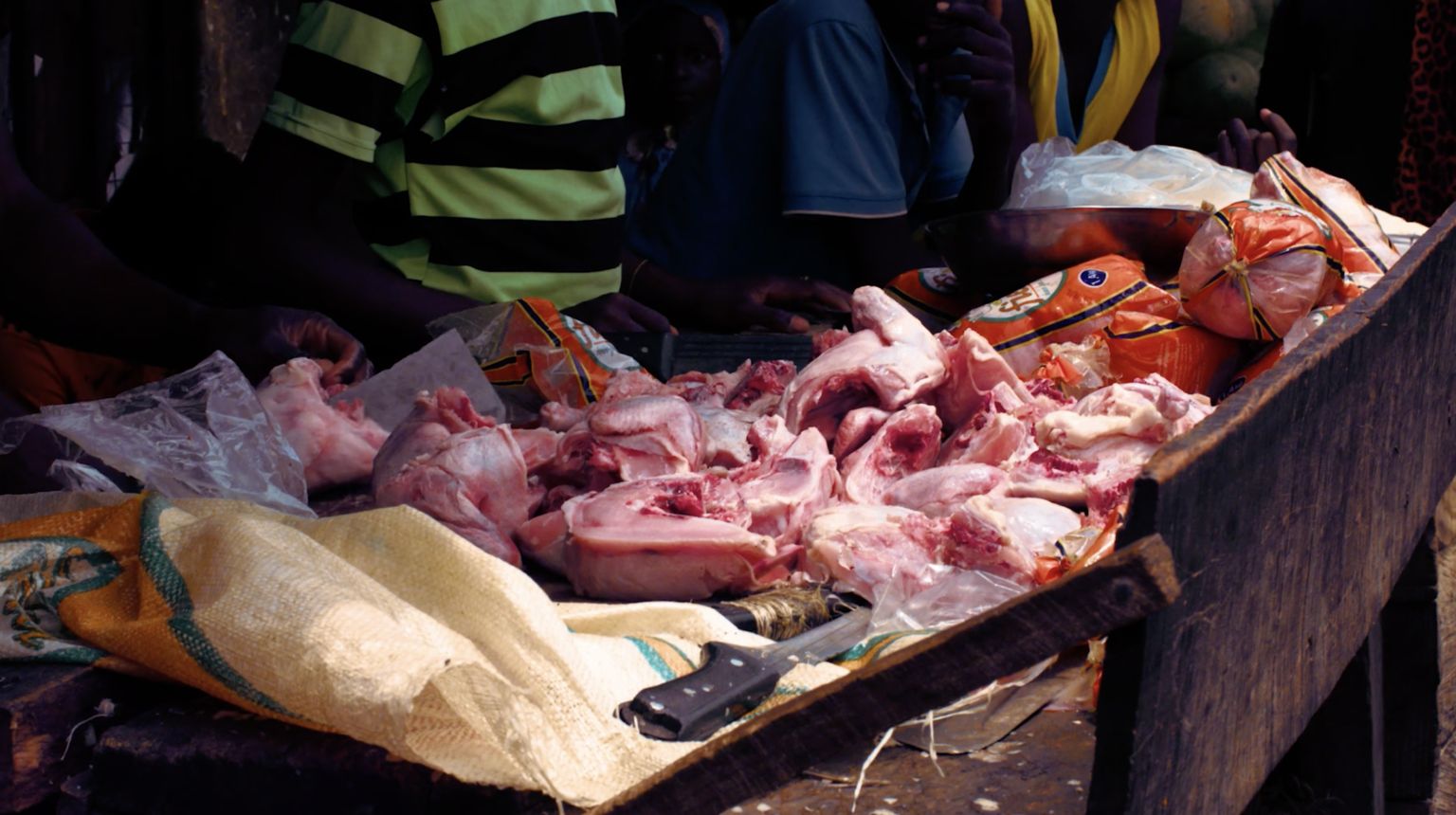
Members of Civil Society Organisations and food safety advocates have warned against a growing trend of 1.3 million Ugandans suffering from foodborne illnesses annually from unsafe food, warning that food contamination has become a major public-health, human-rights, economic, peace and security crisis.
The Executive Director Food Rights Alliance (FRA), Ms Agnes kirabo, said the figure accounts for approximately for 14 percent of the diseases treated nationally.
“Contaminated fresh produce is reported to contribute to more than 60 percent of foodborne-illness cases, while about 30 percent of diseases in Uganda are linked to contaminated food. The burden is particularly severe among children, pregnant and breastfeeding women, older persons and people with weakened immune systems” she said.
Ms Kirabo made the remarks while addressing journalists during the virtual commemoration of the World Safety Day on Sunday, reiterating that unsafe food contributes to illness, malnutrition, lost household income, rising healthcare.
“A right to food is meaningless when the food available to families can make them sick. Every food consumer has the right to food that is available, affordable, nutritious and safe. Government, businesses and other food-system actors must be held accountable for protecting that right from the farm to the mouth” she said.
Ms Kirabo said consumers are exposed to multiple food-safety hazards throughout the food value chain, including aflatoxins in staple foods, excessive pesticide residues, veterinary-drug residues, contaminated water and unsafe food additives among other things.
“Uganda records an estimated 3,700 new cases of aflatoxin-induced liver cancer annually, while the economic cost associated with aflatoxin-related liver cancer may range from US$144 million to US$577 2 million every year” she said.
She added, “Pesticide exposure is another growing public-health concern, available national public-health data indicate that 37,833 organophosphate-poisoning cases were reported between 2017 and 2022, including 1,599 associated deaths”.
The Agricultural Trade for Rural Transformation, SEATINI Program Officer Mr. Jonathan Lubega, said Uganda reportedly loses approximately US$60 million in export earnings annually due to pesticide-residue violations and failure to meet food-safety standards.
“The Agriculture Ministry committee of the Agrochemicals Control Review Committee should consider banning or imposing stringent restrictions, on all identified Highly Hazardous Pesticides within Uganda’s agricultural sector to safeguard consumer health and environmental integrity” he said.
Mr Lubega urged for the expedition of mechanisms to ensure that all banned molecules are off the market.
“All these denials of the food exports to other countries brought major challenges and issues in the economic spectrum. Reports indicate that approximately UGX 32.8 billion from 2023 to date on issues of noncompliance to the food safety requirements” he said.
The head of programs at Global Consumer Centre (CONSENT) Mr. Benard Bwambale, said despite the existence of number of legal instruments, regulating food safety concerns, there is need for a comprehensive and dedicated Food Safety Act to protect consumers from straight form house hold level against food borne diseases.