The State Minister for Trade Hon David Bahati, has revealed that government has suspended enforcement of the trade order across the country which was aimed at reducing congestion, improve urban sanitation, and relocate traders into designated markets.
Minister Bahati told the Parliament sitting on Friday, that government reached the decision following complaints from traders, religious leaders and the Inter-Religious Council.
Bahati noted that the suspension of the trade order until June will allow for further consultations on the implementation of the trade order.
Bahati noted that this followed a meeting between the Inter-Religious Council, traders and the Ministry for the Presidency over concerns raised during enforcement of the trade order, with a final consultation meeting expected at the end of June, before a refined approach begins in July.
Minister Bahati was responding to Bukooli Central MP Solomon Silwany, who tasked Government to explain how the trade order was being enforced by authorities across the country.
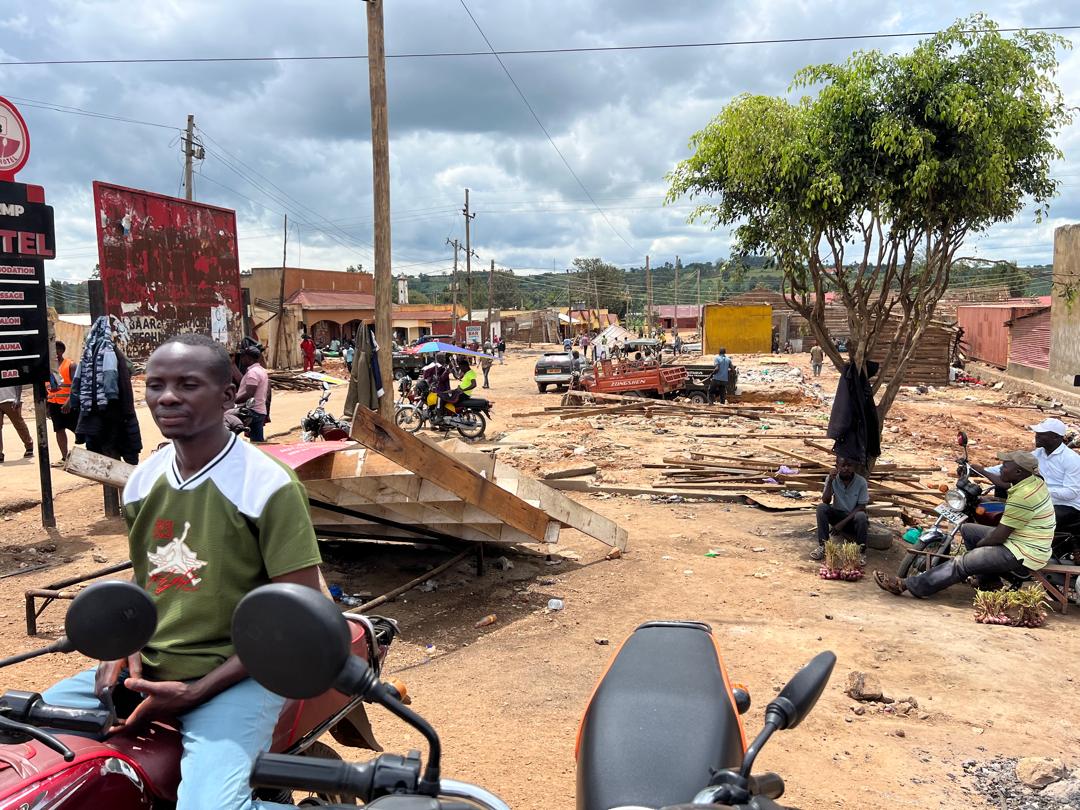
Silwany told Parliament that traders operating kiosks and other small businesses, were suffering because government has not formally explained the plan and the district enforcement teams were roughly evicting traders who were left suffering during the exercise.
John Mugabi, the Director Action for liberty and Economic Development (ALED), which has been advocating for traders rights to be respected during the enforcement of the trade order, said the suspension will allow for the voices of the affected traders in areas like Entebbe Municipality to be heard.
“Many traders lost their properties during the eviction process in both Division A and B, the way the order was carried out was rushed, many were not given notices or relocation areas to operate from, the exercise was generally rushed and we hope the consultations will take into consideration the low earning traders to improve on their livelihoods” he said.
The suspension marks a temporary pause in a policy that had sparked concern over its impact on vulnerable urban livelihoods, leaving its long-term direction dependent on the outcome of upcoming consultations.