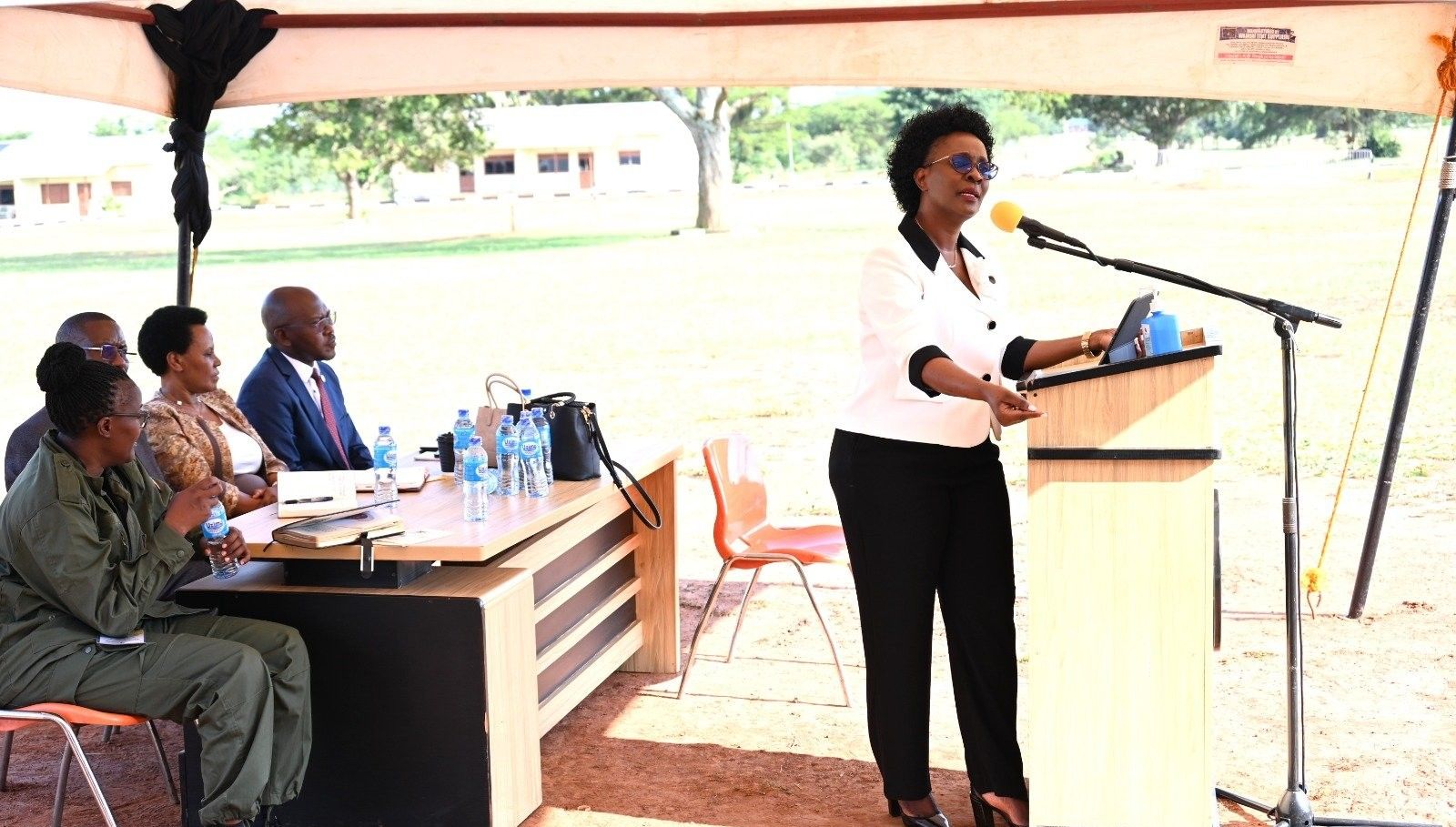
The Deputy Inspector General of Government (IGG), Anne Twinomugisha Muhairwe, has warned cabinet ministers against interfering in the day-to-day operational processes of the inspectorate, while carrying out their oversight role in order to prevent conflicts of interest that could create opportunities for corruption.
“The law assigns the responsibility of recruitment processes, procurement award decisions, and other day-to-day administrative functions to accounting officers. Where a Minister identifies wrongdoing, the appropriate action is to refer the matter to the competent authority rather than assume functions assigned to others” she said.
Mrs. Twinomugisha made the remarks while delivering a presentation to newly appointed Cabinet Ministers during their ongoing induction retreat at the National Leadership Institute (NALI) Kyankwanzi.
She cautioned that any erosion of these safeguards could undermine years of institutional progress and create opportunities for corrupt officials to exploit systemic weaknesses, thereby jeopardising the gains the government has achieved over time.
Mrs. Twinomugisha further underscored the importance of balancing robust oversight with strict adherence to institutional processes, stressing that the two are complementary pillars of good governance.
She warned that treating them as separate or competing functions undermines anti-corruption efforts, as corruption largely flourishes where systems, controls, and accountability mechanisms have weakened or collapsed.
“Strong oversight and respect for institutional processes must go hand in hand. A minister who remains independent retains the moral authority necessary to supervise others and demand accountability,” she said.
The DIGG further explained that the success of government programmes rests heavily on strong and proactive political leadership, adding that Ministers must regularly step beyond their offices and carry out site visits to ensure that citizens are benefitting from the programmes.
“Political leadership becomes more meaningful when it translates into visible improvements in the lives of people. Ministers must ask questions. They must challenge poor performance. They must insist on results” she said.
She noted that in essence, effective oversight serves as a spotlight, illuminating gaps and weaknesses in the implementation of government programmes.
By bringing these shortcomings to the fore, it holds public officials accountable for their stewardship and inspires them to move beyond mere compliance, becoming active champions in the fight against corruption and guardians of public trust.
She reminded ministers that Ugandans judge their government not by promises, but by the tangible results they see in their daily lives. Hence, there is a need to strengthen oversight of public service delivery through regular monitoring and evaluation.
Lastly, she challenged them to place the interests of citizens above personal ambitions, reminding them that public leadership is not about self-service, but about making meaningful contributions to the country’s progress and the well-being of its people.