
Members of Civil Society Organizations under the Food Rights Alliance (FRA), have called on the government to place innovation at the centre of efforts to secure food and nutrition, raise productivity and farmers’ incomes, and build resilience to climate change.
The Executive Director FRA Ms Agnes kirabo, said there is need for government to find innovative solutions to key issues like hunger, drought and rising fuel costs that are pushing food out of reach for a number of people across the country.
“Harvests have failed in many parts of the country, children are surviving without the nutrients they need to grow, safe food has become a privilege, and the price of a basic meal is climbing out of reach of ordinary households” she said.
She noted that currently, households across the country are facing three major issues bearing down on their food supply, including strong El Nino rains which have followed a dry spell that began in late April and damaged crops, pasture and water sources.

“When the harvest fails and the cost of moving food climbs together, the damage reaches far beyond the farm. It reaches the kitchen, the classroom, the clinic and the army barracks” she said.
She added, “Food has become expensive for households whose food security is dependent on the market, and a fuel and currency shock is raising the cost of moving every sack of food from farm to market”.
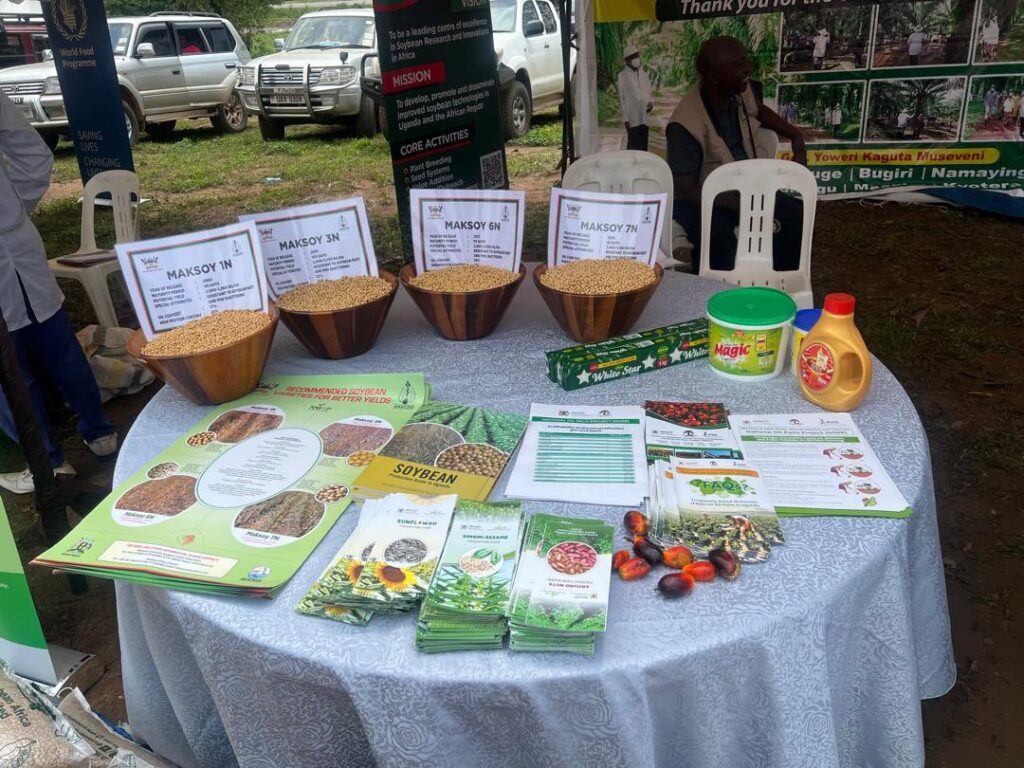
While delivering the CSO’s joint statement during the World Food Day, themed “Innovate Today, Nourish Tomorrow”, Ms Kirabo urged coordinated action to ensure the country responds to an estimated 3.6 million people currently facing crisis-level food insecurity in the country.
“Government should immediately release contingency funds and scale up food, cash and nutrition assistance for Karamoja, the refugee hosting districts, hunger-stricken communities along the cattle corridor, urban slums, and other hot spots affected by the drought, using IPC findings as triggers, before the predicted El Niño rains set in” she said.
Kirabo said there is need for government to prepare for floods as well as drought, with heavy El Niño rainfall expected from October to December through the first quarter of 2027, by ensuring climate information, early warning, water harvesting and drought-and-flood-tolerant practices reach farmers this season.
“The Ministry of Finance and the Ministry of Energy should consider temporary measures that ease the cost of fuel and transport for moving food, including a review of fuel taxes, and should strengthen national food reserves so that food moves from surplus to deficit areas at fair prices” she said.
Kirabo noted that government and it’s partners should invest in storage, drying, market infrastructure and cold chains to cut postharvest losses, with clear targets and public reporting.
“Government should establish a well-coordinated and adequately funded food safety system that enforces standards on aflatoxin, chemical residues and veterinary drug use from farm to table” she said.
Additionally, Ms Kirabo revealed that need to publish an annual national food import bill, and adopt a costed plan to produce more of what Uganda now imports, starting with rice, edible oils and wheat.
“Development partners are urged to keep humanitarian funding steady while moving towards food systems transformation. The private sector is invited to bring innovation in storage, energy, finance and data to smallholder farmers, and not only to those who are easiest to reach” she said.
Ms Kirabo noted that Uganda has to build on the innovation which reaches all citizens across the country, while ensuring availability on nutritious meals.
“But an innovation that never reaches the hungry child in Kotido, the farmer in Masaka whose harvest dried in the field, or the mother who cannot afford a safe and balanced meal remains a promise on paper. The time to nourish tomorrow is today” she said.