By Denis Jjuuko
In his book, the Promised Land, former US president Barack Obama recalls an invoice that had been sent his way when he was occupying the White House. He loved to eat a certain fruit and ordered it regularly. At the end of the month, the bill that was sent to him to settle was higher than normal. He realized his favourite fruit, imported into the US for him, was too costly and never asked for it again.
It may come as a surprise to many but US presidents pay for personal bills in the White House. If they invite friends over for drinks, they pay. Dry cleaning or tooth paste? They pay. They earn a salary of US$400,000 (approximately Shs1.4b) a year, which means they aren’t the highest paid people in America or the world.
In comparison, the CEO of Apple, makers of your favourite iPhones and MacBooks earned US$76.41m in 2024. His base annual salary is US$3m. That is nearly 10 times the salary of the US President, the most powerful person in the world.
Average footballers in the English or Saudi leagues earn way much better than the US president. Some in fact earn what he earns a year in a week or less.
I think the idea has always been to have people who are willing to serve than seeing the presidency as a means of getting a huge pay. Some of the presidents enter the White House when they aren’t wealthy and leave when they aren’t wealthy too. However, their earning improves by them signing multimillion dollar book deals and charging premiums as speaking fees at events after they leave office.
Those who contest the US presidency and indeed other positions don’t necessarily have to have a lot of money. They must be able to raise the money for the campaign largely from people who feel they represent their causes.
Latest US politics wonderkid, Ugandan born Zohran Mamdani (son of Prof Mahmood Mamdani and film maker Mira Nair) doesn’t have much personal wealth to talk about but was able to defeat established politicians backed by billionaires by rallying thousands of people to donate to his New York mayoral campaign for the right to be the Democratic nominee.
In Uganda, some friends may raise money for a political candidate but largely the funding comes from the contestant. This year, many candidates are liquidating their assets to enable them fund their campaigns. Some are investing more money than they will legally be paid should they win.
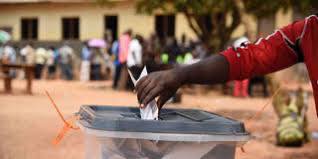
If somebody sells their apartments in Kyanja or mortgage their home to fund an election bid, they will do anything to win. That is why we have seen nearly unprecedented violence and voter bribery in the recently concluded NRM primaries. Ssembabule became the epicenter of violence with some people even losing their lives. In Rukungiri, we saw images of a Member of Parliament chasing rival supporters with a club. Videos of candidates assaulting others were common.
Even in parties where they were no general type of elections, we saw delegates at conferences like that of the Democratic Party fighting each other and accusing each other of stealing each other’s votes. It is a do or die because the candidates know that if they don’t win by any means possible, they would lose their home to the banks or won’t be able to replace their Kyanja apartment.
Politics in Uganda is one of the highly paying jobs with parliamentarians earning more than some of the CEOs of the country’s biggest profitable organisations. This pay arrangement is problematic to the country. Candidates don’t go in to serve. They go in to make money and will only make decisions that enable them to get a favourable return on their investments.
Commercialized politics means that the leaders won’t pay much attention to social services that benefit the people. Afterall, they paid for the votes.
The people have also been conditioned to think that they have to rely on the benevolence of the politicians to get any social services. That is why each MP buys either an ambulance for the constituency, a water bowser, or plastic cups and plates people can use during funerals.
If the voters aren’t sending people to parliament or LCV chairpersonship so that they could buy them cheap communal utensils, they are sending them to eat. One of the reasons many incumbents lose is because people claim they didn’t share the money with them or it is time for somebody else to eat.
This kind of politics can’t lead us to the “promised land.” It can only enrich a few politicians.
The writer is a communication and visibility consultant. djjuuko@gmail.com