By Denis Jjuuko
What if you die, where shall you leave us? It is a question that is common in Uganda put to some men who have reneged on plans to build or buy a house for the family. The wife always reminding them to do something about it before they die. That way the family wouldn’t become homeless.
If a man lost what is considered a good job before owning a house in Uganda and struggled to pay rent, many people would blame them. If they retired without one, they would be laughed at. They spent all their working life eating life with a spade, instead of a spoon, and now they are suffering.
Probably many remember the retrenchment of civil servants in the 1990s, which made many people homeless. Those days, many government jobs came with houses in some of the most exclusive Kampala suburbs. When people were retrenched, they had nowhere to go. If they died suddenly, the family had no home as they had to leave the house for the next civil servant. Perhaps, girls who saw their parents or relatives become homeless are justified to ask their men to do something.
Owning a house is a big issue in most parts of the world. In United States, the so-called American dream is largely about home ownership. Owning a house for the majority of people is the biggest thing they will ever achieve.
Those who manage to own the houses are always considered successful whether in Uganda or elsewhere. At kwanjula (betrothment) events, it is not uncommon for the groom’s spokesman to include home ownership while reading the bio, usually to ululations of the in-laws. To many, a daughter who finds a man who is successful (read owning a house) has brought honour to the family.
To be honest, houses are expensive to buy or build and many people spend many years either paying the mortgage or building incrementally. Many Ugandans, especially those that build even start living in them when they are incomplete. Some after many years of toiling even give up. You have seen many unfinished houses in Kampala.
Those who build houses for rent are known to be bigmouths, reminding the tenants at every opportunity that building is difficult. Most people who have ever rented in Kampala probably have a tale to tell about their landlords. It also inspires many to build.
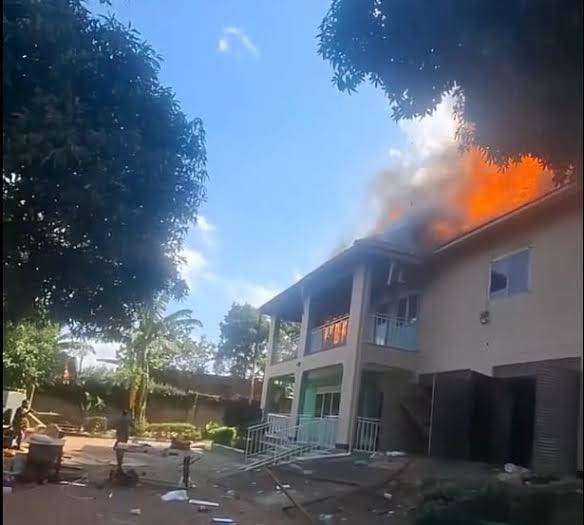
Now imagine after toiling for decades, your house ends up in flames like we recently saw that of the late Democratic Party supremo Dr Kawanga Ssemogerere. One afternoon a few weeks ago, videos started flying. The fire was burning it with such intensity one could think it had a bone to pick with the late. By the time the fire brigade arrived, the house, at least its roof, had been destroyed.
There were many sympathizers for the family. Later we heard that the widow had insured the house and it will be replaced. If true, that is one of the wisest decisions she has ever made. Insurance in Uganda is many times ignored. Most people pay for cars and that is usually only the mandatory third-party cover. Some corporate bodies also pay medical insurance for their staff.
I trawled the internet but I couldn’t find details of the percentage of houses in Uganda that have any form of insurance. Fire is the most likely issue that could happen to anyone’s house once complete. Harsh weather events may deroof the house or cause considerable damage but we don’t have typhoons and tornados. Professionally built houses usually stand for many years without any issues. Even chances of fire gutting down your houses are remote but it is the most common problem that may happen.
Because of the remoteness of fire destroying one’s home, insurance companies don’t spend any time marketing it. They can easily make money from other policies such as car accidents, robbery and medical.
Yet it is so affordable to insure houses against fire. A friend whose house’s replacement value is Shs2 billion pays a paltry Shs1.3m a year as the premium. That is just 0.065% of the replacement value. Since the majority of Ugandans who can afford insurance live in houses way below that figure, it means many people can afford insuring their houses against fire. Can the insurance regulator help promote house insurance so home owners don’t have to lose their most valued asset to fire?
The writer is a communication and visibility consultant. djjuuko@gmail.com