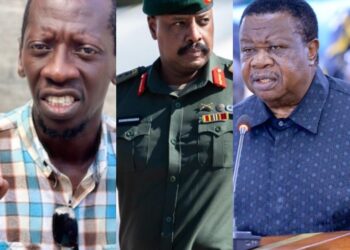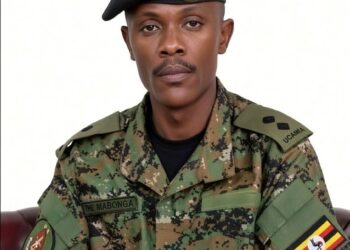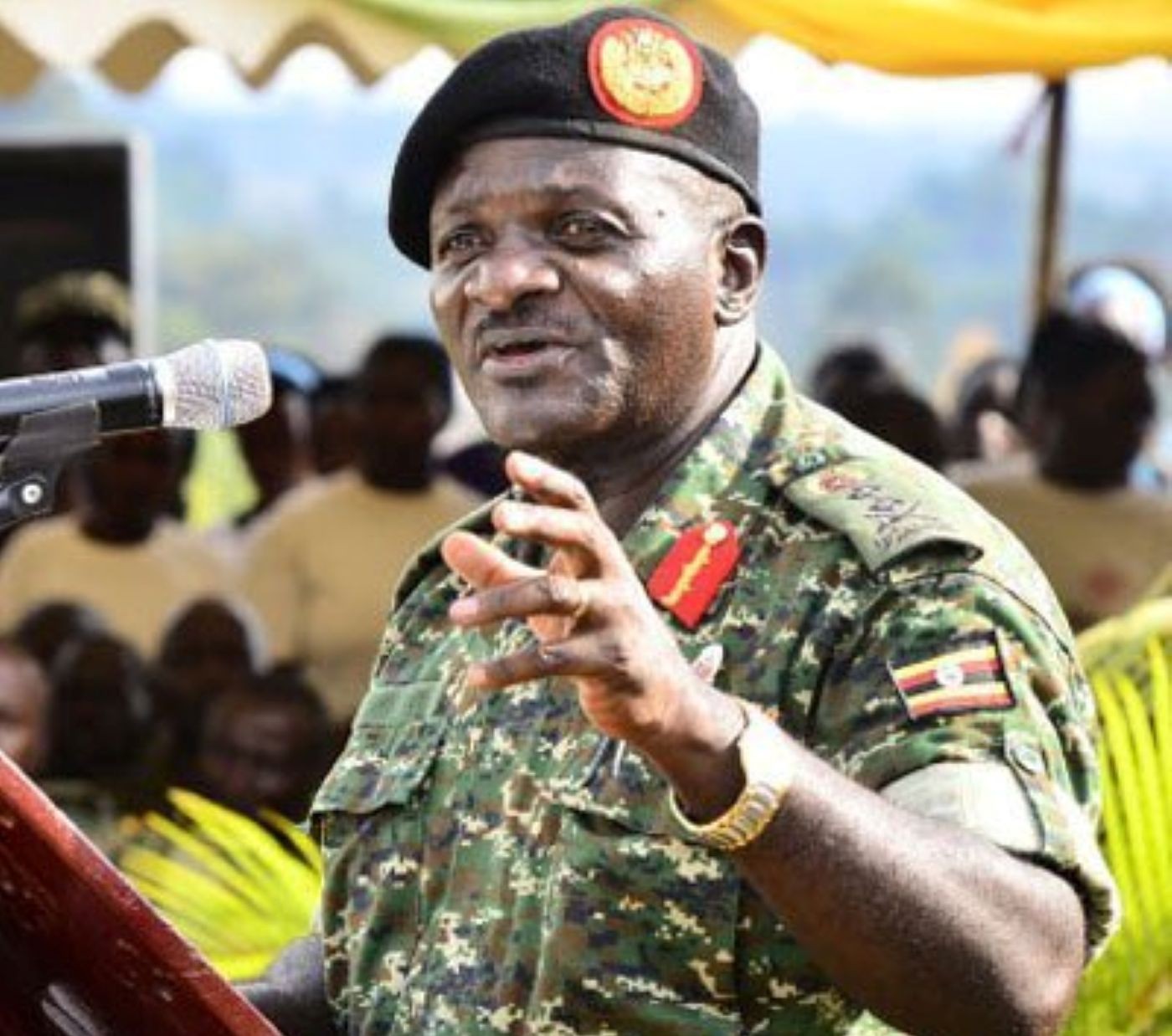
The Minister for Works and Transport and former Chief of Defence Forces Gen Edward Katumba Wamala, is set to retire for the Uganda People’s Defence Forces (UPDF) after 46 years of service.
Gen Katumba, who is among 21 generals set to retire from active service in the army, first served in the Uganda National Liberation Army (UNLA) before joining the National Resistance Army (NRA), now the UPDF, in 1986.
According to the UPDF Directorate of Pension, Gratuity and Compensation which recently commenced a retirement sensitisation and documentation exercise for Batch 16 (2026), a total of 1,863 soldiers are expected to retire in the exercise.
Gen Katumba has been one of the few officers who crossed from UNLA to the NRA in 1986, that embodied the legacy of combining operational command with political trust.
Other notable officers set to retire in the exercise aimed at preparing senior officers, men and women for transition from active military service to civilian life include Commander of the Reserve Force, Charles Otema Awany, former Deputy Chief of Defence Forces Charles Angina, former Chieftaincy of Military Intelligence boss Abel Kandiho, former Deputy Inspector General of Police Tumusiime Katsigazi, and current Director of Citizenship and Immigration Control Apollo Kasiita Gowa.
Others due to leave active service include former Joint Chief of Staff Maj Gen Leopold Kyanda, Brig Edson Muhanguzi, Brig Sam Omara, Brig Stephen Kashure and former CMI chief Brig Charles Bakahumura.
Also set for retirement are former CMI deputy chief Brig Charles Asiimwe Kahangire, Brig Fred Rugadya Akiiki, Col Okei Rukogota, Col Ba-Hoku Barigye and Col Gideon Katinda, who previously served as Judge Advocate of the General Court Martial.
For nearly four decades, Uganda’s military command has been shaped by officers whose legitimacy is rooted in the National Resistance Army bush war that brought President Yoweri Museveni to power.
However over the past decade, the UPDF has undergone a subtle but consistent internal reorganisation, which has seen younger officers, many trained in newer warfare doctrines and with closer proximity to the current political core, steadily rise through the ranks.
According to sources, the latest retirements are designed to clear lingering bottlenecks at the top and formalise a transition that has been quietly underway.