The International Crimes Division of the High Court, presided over by Hon. Justice Dr. Andrew Bashaija, has sentenced Muwonge Ibrah alias Kimbowa Ibrah to a 10 years’ imprisonment term over the deliberate vandalism and destruction of electricity transmission infrastructure.
The sentence followed Muwonge’s conviction on two counts of terrorism and one count of terrorism financing under a plea bargain arrangement.
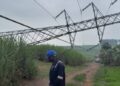
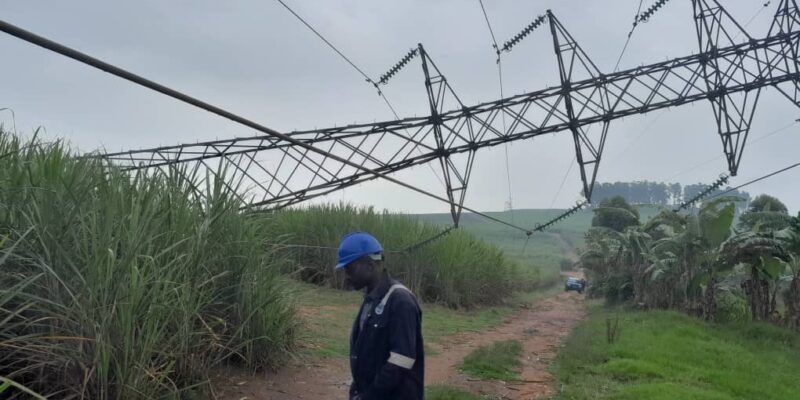
According to court records, the case arose from a coordinated campaign to destroy electricity transmission infrastructure in parts of Central Uganda between November and December 2022, during which 14 high-voltage electricity pylons and poles forming part of the Owen Falls–Lugogo, Bujagali–Kawanda, Owen Falls–Namanve, and Kawanda–Kapeka transmission lines were cut or destroyed.
Prosecution led by Chief State Attorney Ms. Jacquelyn Okui, noted that the attacks caused widespread power outages and disrupted essential services, including water supply, health services, industry, communications, financial services, and education, resulting in significant economic losses and necessitating the deployment of an expensive emergency thermal power plant at Namanve to supplement the electricity supply to the Kampala Metropolitan Area.
Investigations established that Muwonge was a leader of a subversive group known as the Uganda Defence Forces (UDF), which investigations linked to the Allied Democratic Forces (ADF).
Muwonge used a WhatsApp group to mobilise and recruit youths and coordinated the destruction of electricity infrastructure as part of the group’s objectives to sabotage Government programmes, disrupt economic and social activities, and ultimately facilitate the overthrow of Government.
He financed and facilitated the acts by providing money for the purchase of implements, transportation, and payment of those who carried out the vandalism.
Mobile phone evidence, including photographs, videos, audio recordings, and communications, further linked him to the planning, financing, and execution of the attacks.
Following the testifying of about eight prosecution witnesses, Muwonge opted for a plea bargain.
While passing the sentence, court considered the grave and premeditated nature of the offences, the involvement of a gang, Muwonge’s role as a mastermind, the extensive damage to critical national infrastructure and loss, and the need for deterrence.
The Court also considered his guilty plea, remorse, status as a father and breadwinner, and the fact that the offences did not result in loss of life.
Muwonge was consequently sentenced to 10 years’ imprisonment for terrorism and five years for terrorism financing, to run concurrently.