By Denis Jjuuko
Over the weekend, I decided to catch a premier league game at a sports and leisure facility not very far from my residence. A few people were bantering each other. The Manchester United fans were even told that our village team could beat them. Some deafening laughter followed. Others ordered for more bottles of the frothy stuff.
As one of the teams attacked, we heard some footsteps on the translucent roof. Within seconds, the TV was cut off. It wasn’t raining. We understood this wasn’t the weather denying us to watch the attack. Someone who frequents the facility more often said it was the monkeys. We looked up the roof and we indeed saw them. They had disconnected the cable supplying the images to the TV set. A worker had to climb the roof, chase them and connect the cable again. By the time the images were restored, the score line of the home team had been extended. We indeed missed watching that attack that resulted into the winning goal.
If you live anywhere in Uganda or even many parts of Africa, you have most likely come across our wildlife. If they are not disconnecting the TV cables, they are grabbing your food or simply chilling in your compound. Or you have come across them on your trips from one part of the country to another. You perhaps grew up chasing them from your parents’ garden or earning your school fees making scarecrows during the holidays.
Almost the entire continent tries to sell this as tourism even to the people who grew up on the continent or experience this every day. Why would anyone pay for this in the name of domestic tourism? They have had a lot of these experiences. And since the entire continent sells the same thing, why would people outside the continent be interested in seeing lions and elephants from different countries?
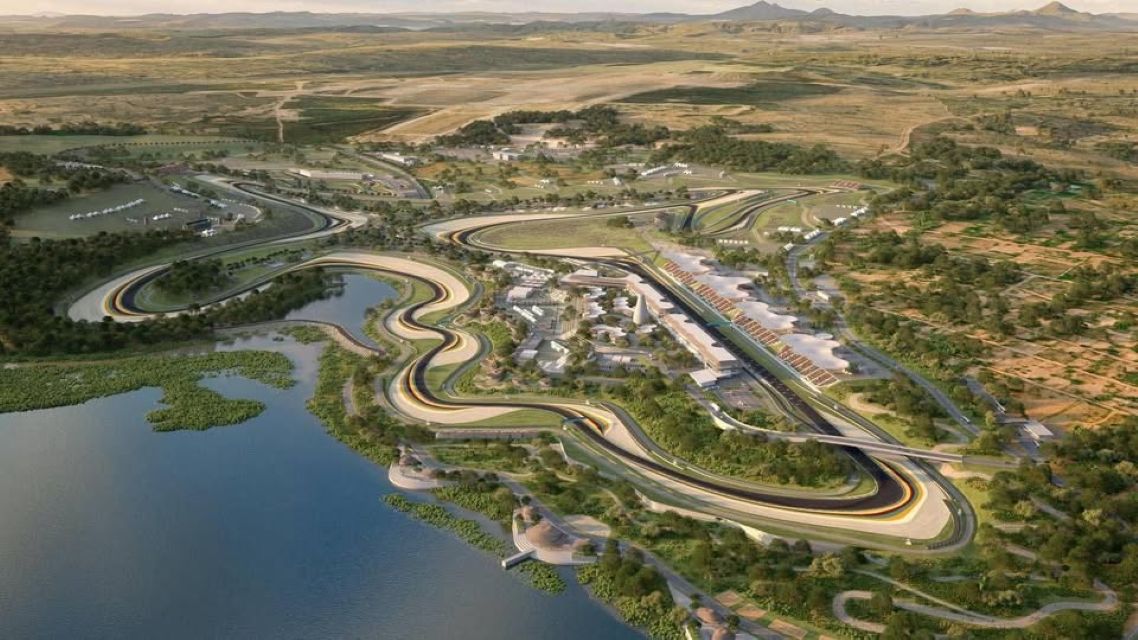
That is why Rwanda’s immersion into Formula One racing makes some sense. Earlier in October, Rwanda announced a partnership that will see F1 racing again on the continent for the first time since 1993. They are going to build a race track outside Kigali and hope to host the African Grand Prix in the early 2030s.
Large F1 races like the Silverstone attract nearly 600,000 people over the race weekend even though the average attendance is 100,000. So if Rwanda can attract 100,000 people on each of the F1 race weekends, that would be great for their economy. Their new airport which is being built in the same area will be busy. Hotels will be busy. Transport service providers will be busy. Many people will earn a living off F1. People who can’t trek the gorillas will come to see small cars chasing each other at high speeds.
Formula One attracts wealthy people who may make the waterbody where the track is being built their next playground to show off their wealth. Fancy boats are likely to be shipped in or even made from there. The skyline in the area will most likely change. Rwanda will attract the elusive foreign direct investment.
They won’t have to convince many people to come and watch the cars and attend the associated parties. F1 has its devoted fanbase which they will tap in. F1 legend Lewis Hamilton is even claiming hanging around longer so he can fulfil his dream of racing in Africa. Not sure that will happen given his age.
Many Ugandans will descend on Bugesera for the race. The same people nobody can convince to go see the animals in Murchison, Mburo, Kidepo or Queen Elizabeth. They have been seeing them for free on their trips upcountry. Many of these Ugandans have been making the trip to Kenya for the World Safari Rally. Others have been visiting the Yas Marina in Abu Dhabi for the FI race there. Now, high powered vehicles will be racing in their neighborhood. They can’t miss that.

We must diversify our animalized tourism. We live in the Instagram era. Backdrop images are everything. I have previously written about Lake Victoria, a major water body in the world. There isn’t much going on there that can attract large numbers of people. Just an occasional canoe with a solitary fisherman. The same with River Nile. Its source in Jinja is something many wouldn’t want to visit; makeshift curio shops, jury-rigged restaurants and canoes that look like they can capsize anytime. Who wants that?
The writer is a communications and visibility consultant. djjuuko@gmail.com